
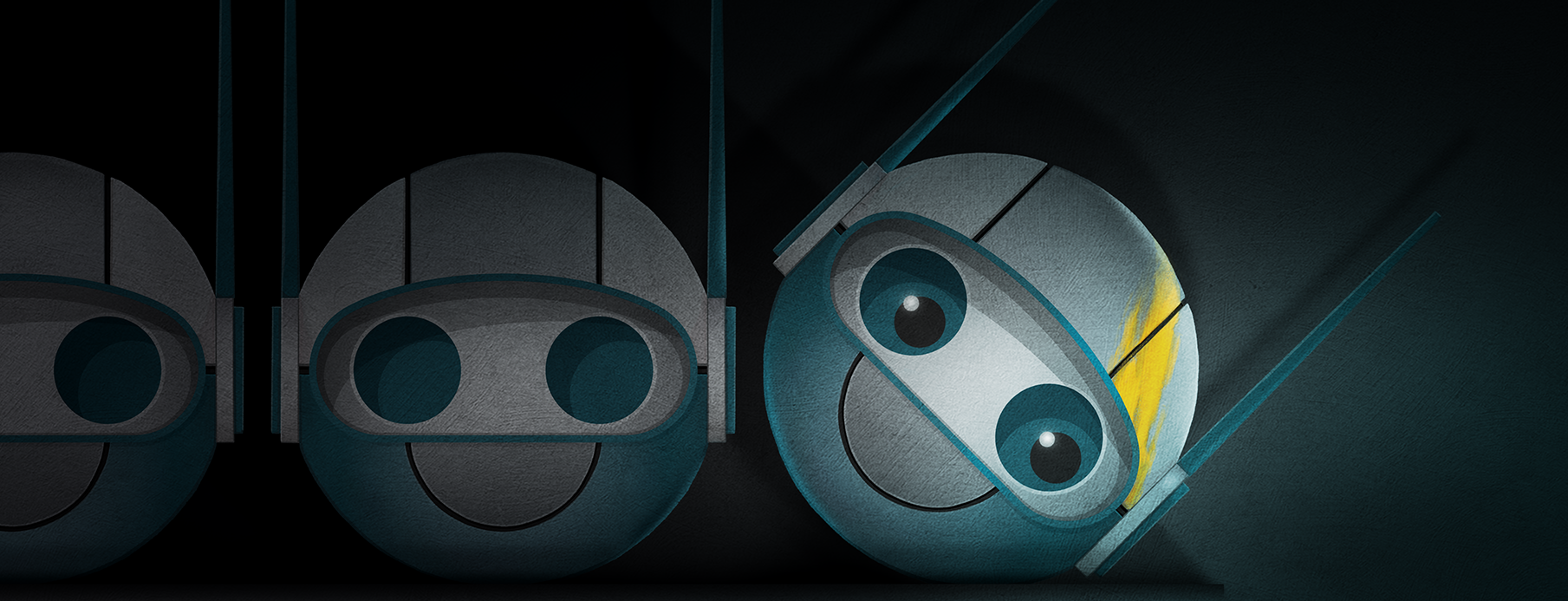


CHAPTER ONE
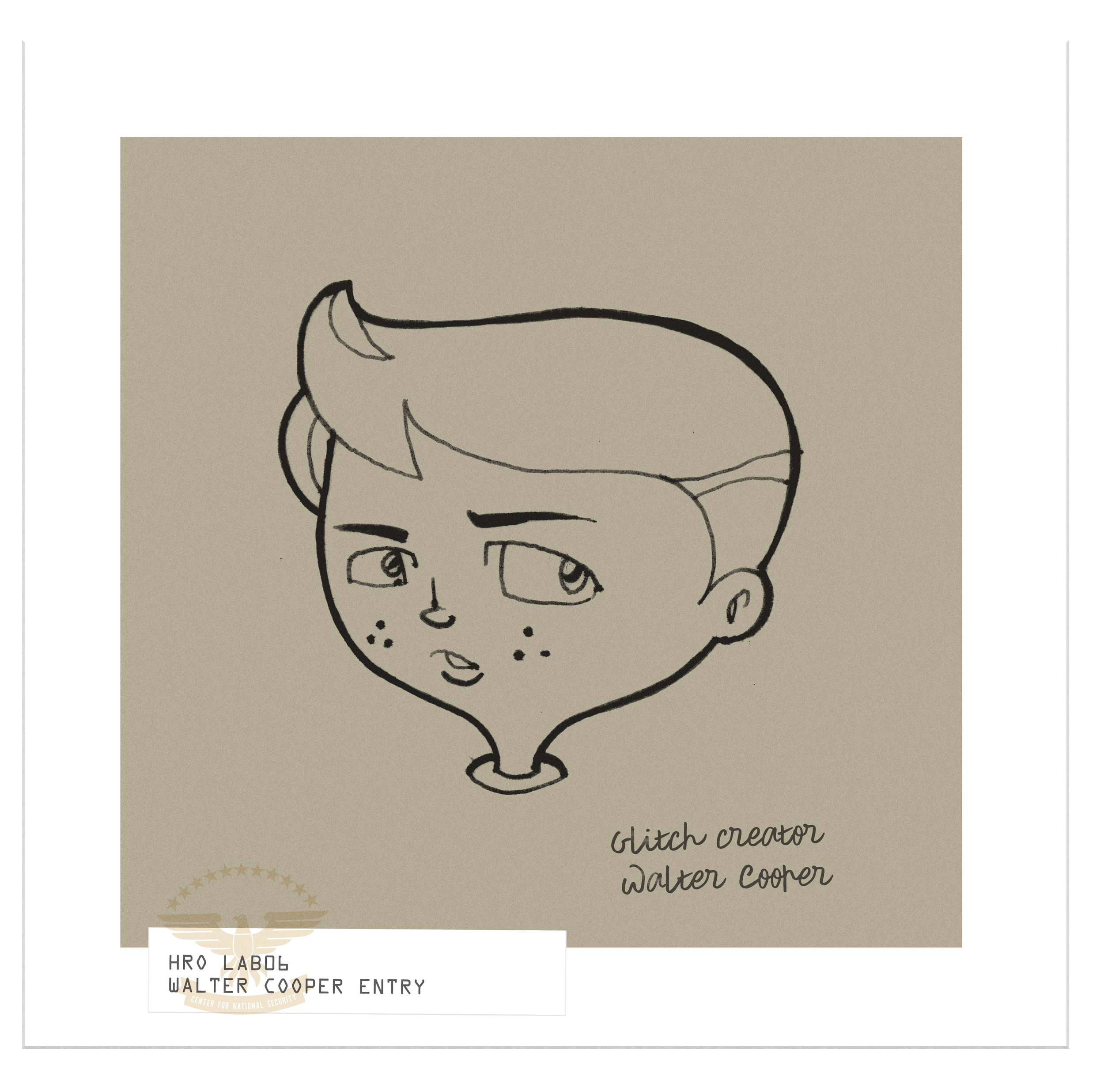
Walter Cooper is an optimistic, hard-working teen game developer risks everything by secretly borrowing his mother’s advanced AI code to bring his digital creatures to life.
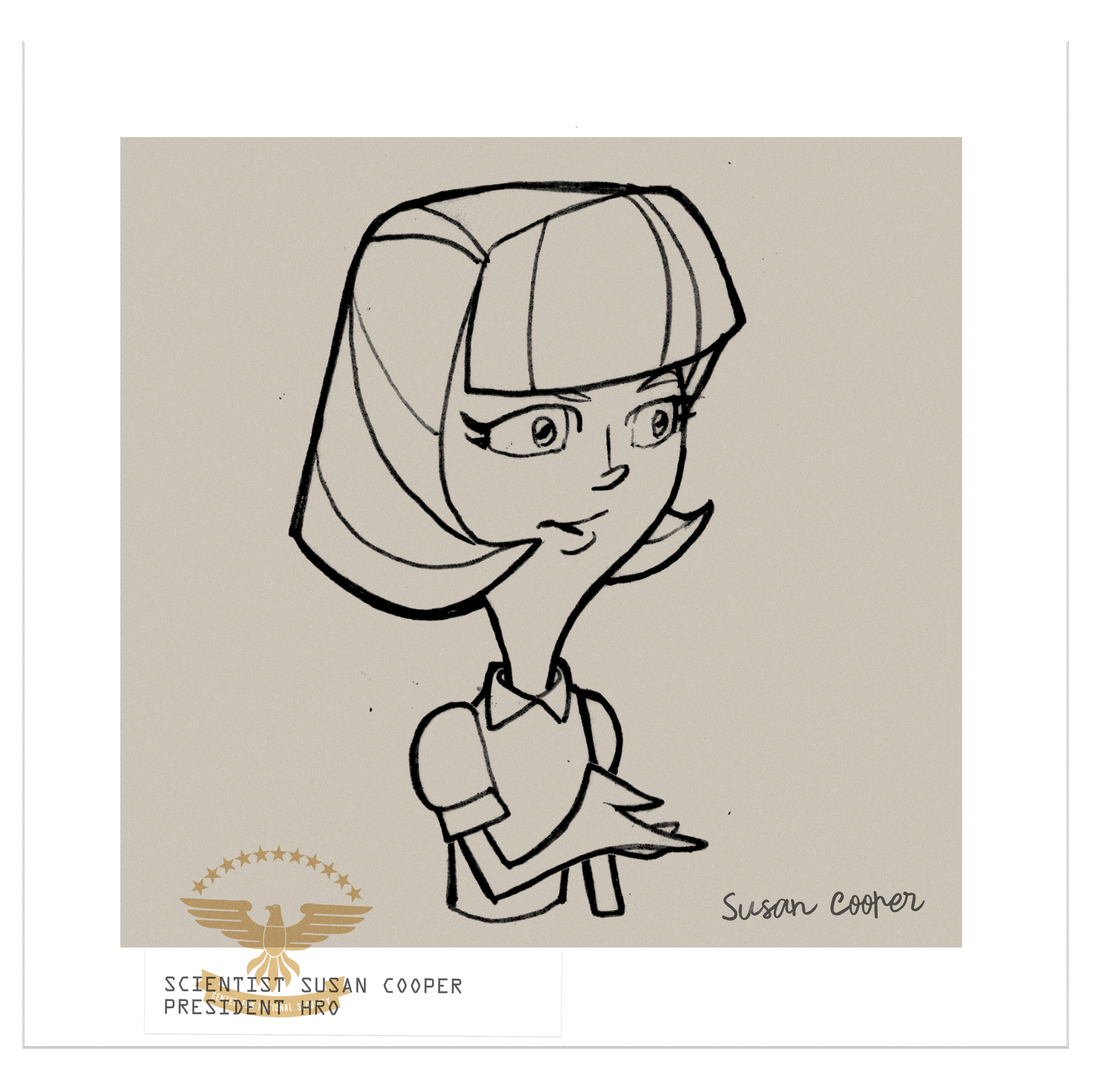
Brilliant founder of the Human Robot Organization who built the world’s most advanced robots and the city of Robotauri to prove humans and machines can live side by side.
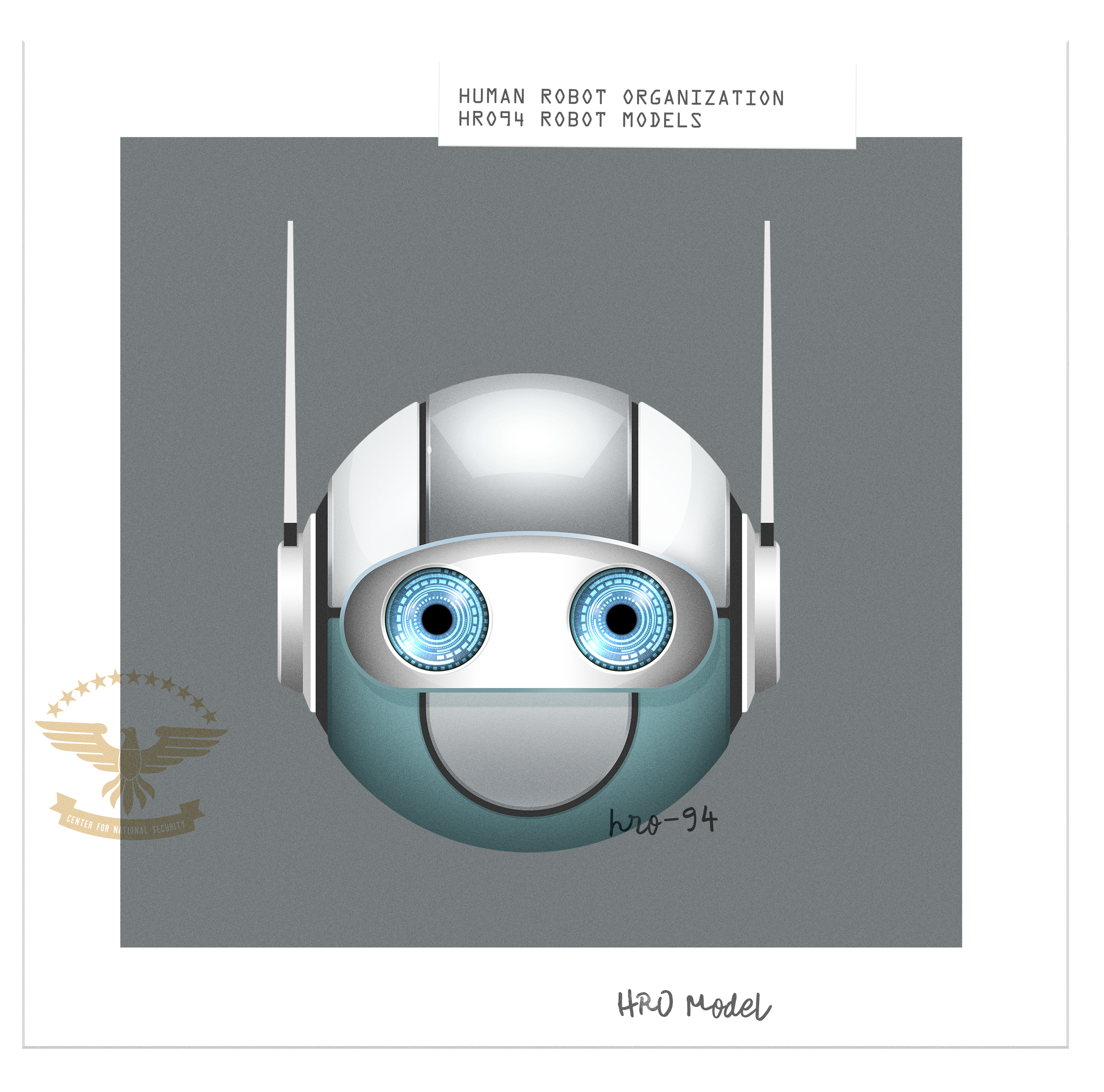
A scrapped HRO-94 police bot rescued by Walter.
CHAPTER ONE
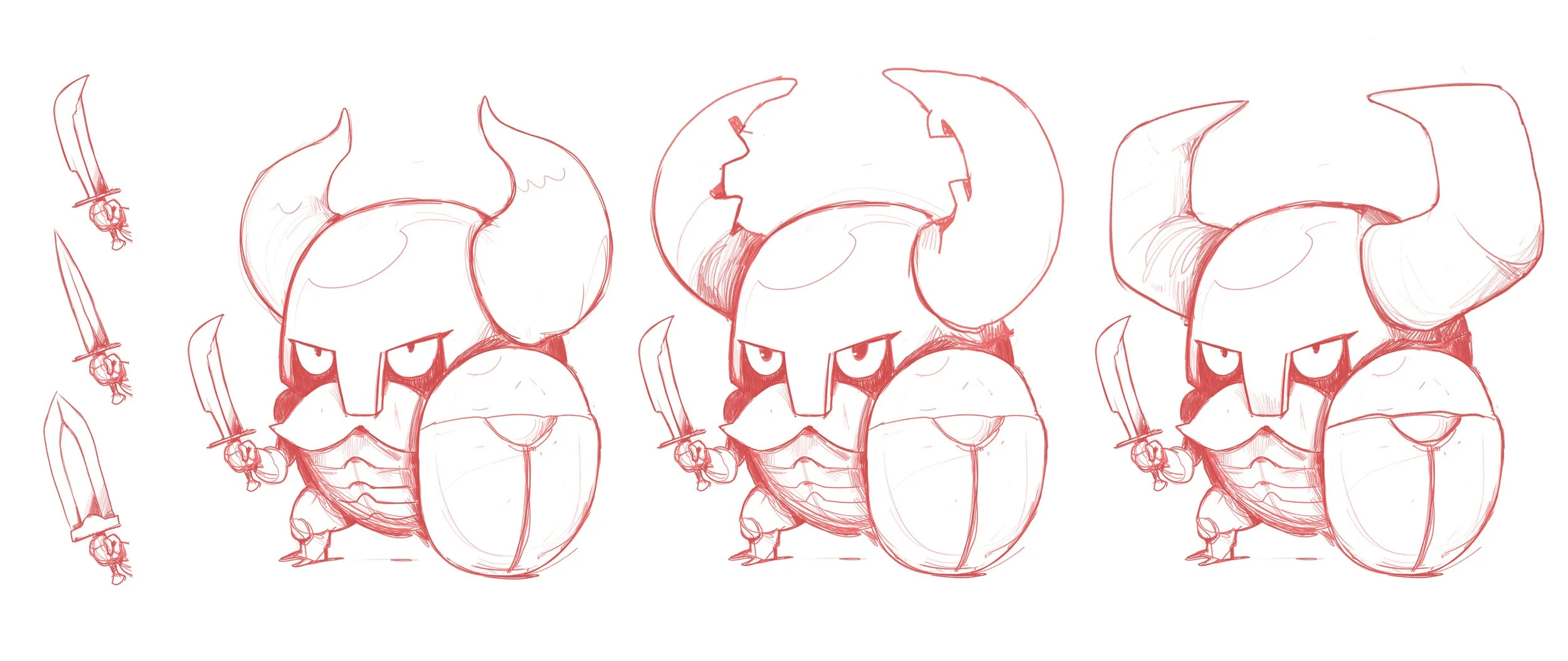
Walter Cooper’s fingers hovered over the keyboard. On the screen, Barbarian Beetle stood in the middle of a ruined city block, dagger and shield ready. The beetle looked exactly the way Walter had drawn it—chipped armor, angry little eyes, the works. It just wouldn’t move right.
He hit play. The beetle charged, stopped, charged again, then froze with one leg in the air like it had forgotten what legs were for.
“Come on,” Walter muttered. He rewound the clip and watched it again. Same stiff shuffle. Same dead stop. He’d spent three nights fixing the animation rig and it still looked like a toy someone had wound up and set on the floor.
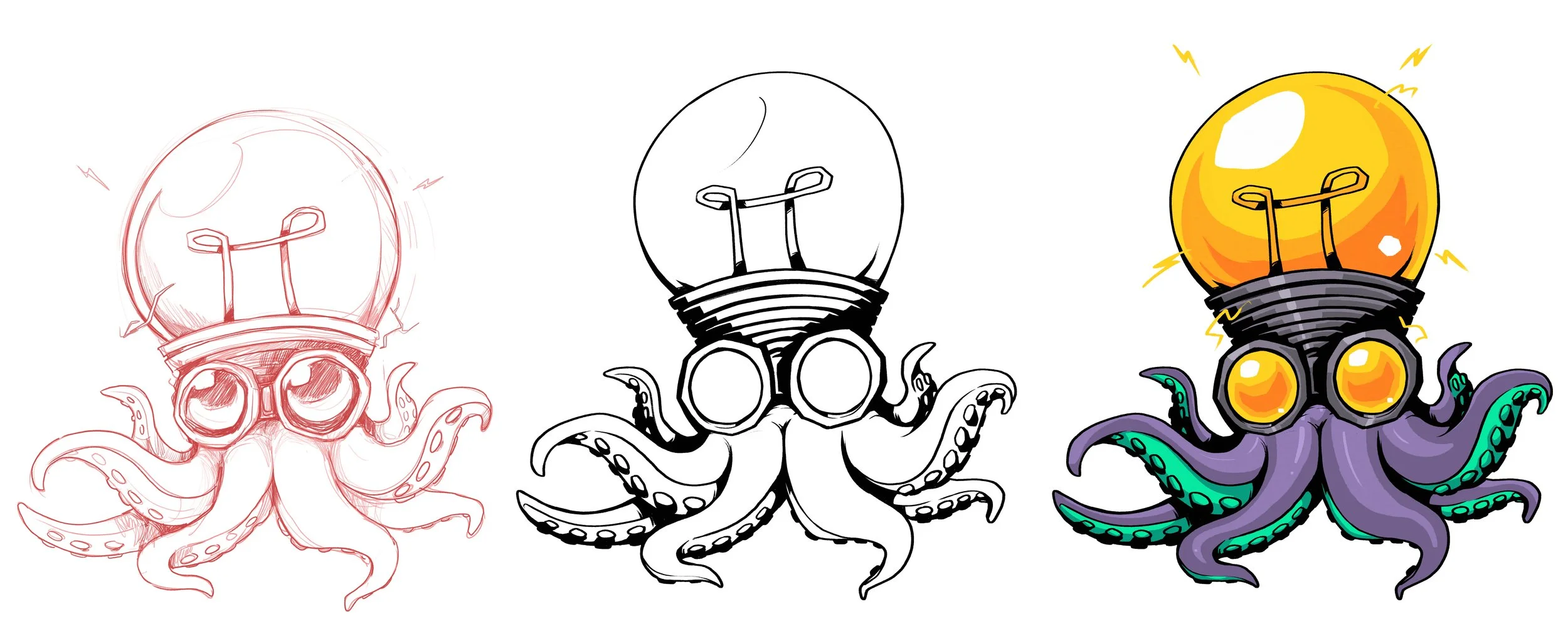
He loaded the next creature—Octolite, the little light-based one that was supposed to blind cameras and short out door locks. He dropped the same fragment into its code and watched. Octolite’s core flared. The animation was smoother than before, and for the first time the creature didn’t just pulse on a loop. It brightened, dimmed, then brightened again in a short pattern that hadn’t been in any of Walter’s original keyframes. It hovered, rotated a few degrees as if checking the edges of its own hitbox, then settled.
Walter leaned closer. “Huh.”
A soft click came from the corner of the room.
The HRO-94 unit’s optical sensor had lit. Just one. It tracked slowly from the dark screen to Walter’s face, then back to the monitor. Walter turned in his chair.
“You’re not supposed to be on,” he said.
The unit didn’t answer. Its sensor dimmed, then brightened again, fixed on the image of Octolite. Walter watched it for a moment, then reached over and powered the terminal down. The lab went dark except for the thin standby light on the HRO-94.
He packed his bag. On the way out he paused at the door and looked back. The unit’s sensor was still lit, pointed at the blank screen.
Walter pulled the door shut behind him.
Somewhere in the system, Octolite’s new code finished its first full cycle. A short diagnostic string that Walter had never written appeared in the creature’s log, noted the change in its own light pattern, and saved the observation to a temporary cache. The cache was supposed to clear when the session ended. It didn’t.
In the main corridor, Walter’s phone buzzed. A message from Mentor-51:
Walter. It’s been two hours. Your mother is still in meetings. Shall I tell her you’re on your way?
Walter typed back with one thumb: Yeah, I’m on my way to her office.
He hit send and kept walking. Behind him, in the empty lab, the HRO-94 unit’s sensor stayed on, watching the dark screen where Octolite had been.
He loaded the next creature—Octolite, the little light-based one that was supposed to blind cameras and short out door locks. He dropped the same fragment into its code and watched. Octolite’s core flared. The animation was smoother than before, and for the first time the creature didn’t just pulse on a loop. It brightened, dimmed, then brightened again in a short pattern that hadn’t been in any of Walter’s original keyframes. It hovered, rotated a few degrees as if checking the edges of its own hitbox, then settled.
Walter leaned closer. “Huh.”
A soft click came from the corner of the room.
The HRO-94 unit’s optical sensor had lit. Just one. It tracked slowly from the dark screen to Walter’s face, then back to the monitor. Walter turned in his chair.
“You’re not supposed to be on,” he said.
The unit didn’t answer. Its sensor dimmed, then brightened again, fixed on the image of Octolite. Walter watched it for a moment, then reached over and powered the terminal down. The lab went dark except for the thin standby light on the HRO-94.
He packed his bag. On the way out he paused at the door and looked back. The unit’s sensor was still lit, pointed at the blank screen.
Walter pulled the door shut behind him.
Somewhere in the system, Octolite’s new code finished its first full cycle. A short diagnostic string that Walter had never written appeared in the creature’s log, noted the change in its own light pattern, and saved the observation to a temporary cache. The cache was supposed to clear when the session ended. It didn’t.
In the main corridor, Walter’s phone buzzed. A message from Mentor-51:
Walter. It’s been two hours. Your mother is still in meetings. Shall I tell her you’re on your way?
Walter typed back with one thumb: Yeah, I’m on my way to her office.
He hit send and kept walking. Behind him, in the empty lab, the HRO-94 unit’s sensor stayed on, watching the dark screen where Octolite had been.